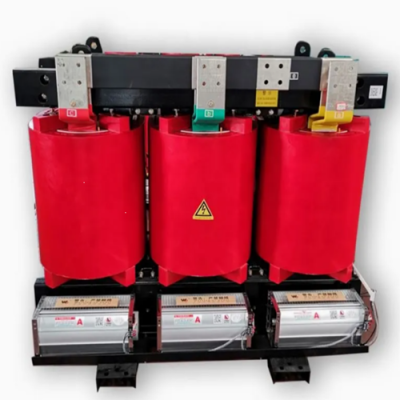
Cast Resin Dry Type Transformers
Product Introduction
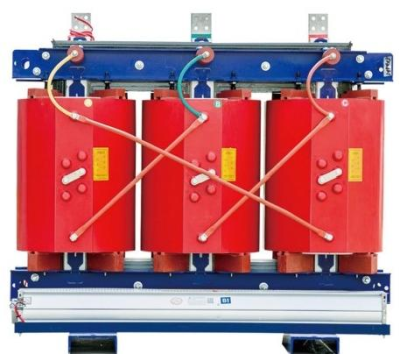
Cast resin dry type transformers use epoxy-encapsulated windings and air cooling for indoor or enclosure-protected power distribution. This page helps buyers compare capacity, voltage class, winding material, cooling, enclosure and applicable standards. Individual capacity pages provide model-specific application and quotation information.
Typical Applications
Cast resin transformers are commonly evaluated for commercial buildings, manufacturing plants, infrastructure, renewable-energy facilities, data centers and institutional projects where an oil-free transformer is preferred. The capacity should be selected from calculated demand, load characteristics and future expansion requirements.
Typical Project Configuration
Product range: Project-specific cast resin dry type transformers
Phase: Three phase; other configurations when engineered
Capacity: Selected according to project load
Voltage and frequency: Project specific; 50 Hz or 60 Hz
Winding conductor: Copper or aluminum
Cooling: Air natural; forced air for applicable designs
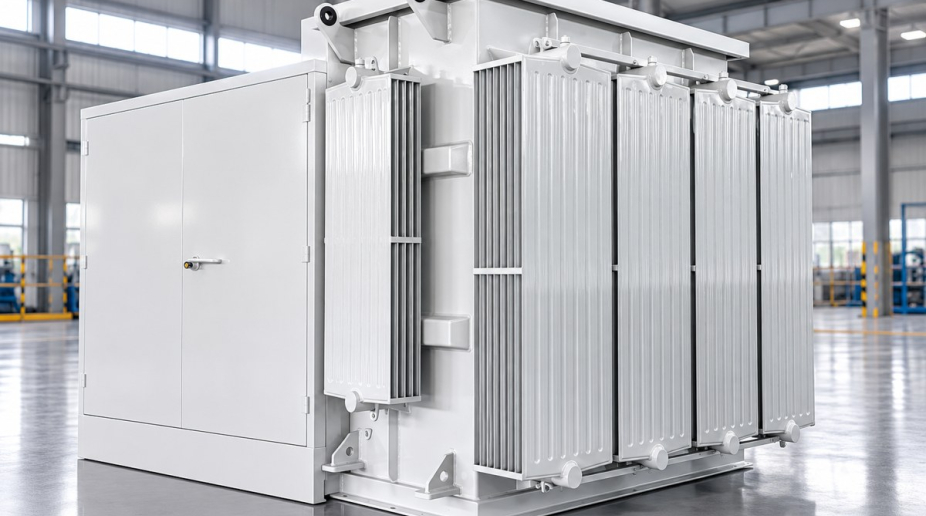
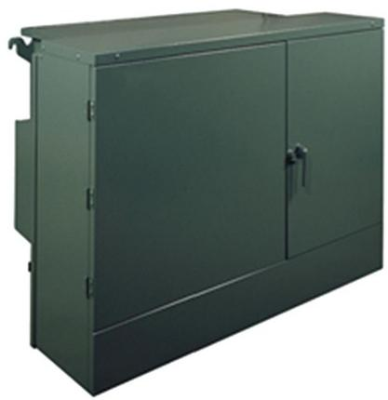
Enclosure: Open indoor type or specified protective enclosure
Standards: Applicable IEC, IEEE, UL or customer requirements
Cast Resin and VPI Are Different Constructions
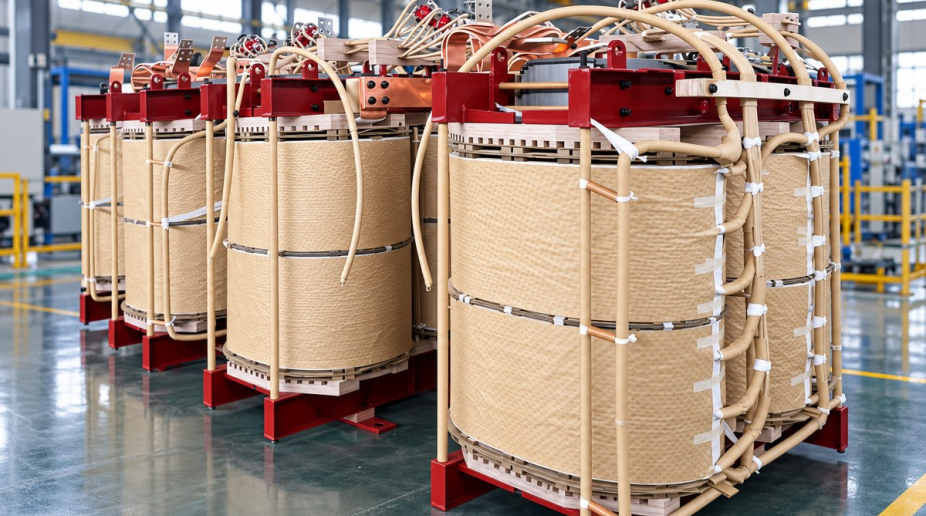
Cast resin windings are encapsulated in epoxy, while VPI windings are vacuum-pressure impregnated and remain open. The correct construction depends on moisture, contamination, ventilation, voltage class, enclosure and the governing project specification. Jinan Qinghe can manufacture both options.
Frequently Asked Questions
Which capacity should I choose?
Use calculated demand, duty cycle, motor starting, harmonics, ambient conditions and future growth. The final rating should be confirmed by the project engineer.
Can voltage, impedance and vector group be customized?
Yes. These electrical values are configured according to the single-line diagram, system study and approved data sheet.
Which documents can be supplied?
The project package can include approved drawings, data sheets and applicable routine test reports as agreed.
Quotation Information
For selection and pricing, send the required capacity, primary and secondary voltage, frequency, vector group, impedance, taps, installation environment, altitude, ambient temperature, enclosure or IP rating, conductor preference, applicable standard, accessories, quantity and delivery destination.
Cast Resin Dry Type Transformers
Product Introduction
Cast resin dry type transformers use encapsulated windings and air cooling for indoor or enclosure-protected power distribution. This page is a selection overview for buyers comparing capacity, voltage class, winding material, cooling, enclosure and applicable standards. Individual capacity pages provide detailed application content for each rating.
Typical Applications
Cast resin units are commonly evaluated for commercial buildings, factories, infrastructure, renewable-energy facilities, data environments and institutional projects where an oil-free transformer is preferred. The appropriate capacity page should be selected based on the buyer's load requirement.
Typical Project Configuration
Product Range: Project-specific cast resin dry type transformers
Phase: Single or three phase where engineered
Capacity: Selected to project load
Voltage / Frequency: Project specific; 50 Hz or 60 Hz
Winding: Copper or aluminum
Cooling: AN; AF for applicable designs
Enclosure: Open indoor or specified protective enclosure
Standards: Applicable IEC, IEEE, UL or customer requirements
Frequently Asked Questions
What is the difference between cast resin and VPI?
Cast resin windings are encapsulated in epoxy; VPI windings are vacuum-pressure impregnated and remain open. Selection depends on environment, voltage class, enclosure and project specification.
Which capacity should I choose?
Use calculated demand, duty cycle, motor starting, harmonics, ambient conditions and future growth. An engineer should confirm the final rating.
Which documents can be supplied?
The project package can include approved drawings, data sheets and applicable routine test documentation as agreed.
Quotation Information
For series selection, send the required capacity range, voltage class, frequency, installation environment, altitude, ambient temperature, enclosure/IP rating, preferred cast resin or VPI construction, applicable standard and project schedule.