Box-Type (Compact) Substations Explained: Design, Uses & Benefits
A box-type substation, also called a compact or prefabricated substation, integrates the main elements of a power distribution point into a single factory-assembled enclosure. For project owners, EPC contractors and utilities, it offers a faster, tidier route to energizing a site than building a conventional substation from separate parts. This article explains how these units are designed, where they are used and what to consider when selecting one.
What Is a Box-Type Substation?
A box-type substation typically combines three functional sections inside one weather-resistant housing: a medium-voltage switching section, a power transformer, and a low-voltage distribution section. The equipment is assembled, wired and tested at the factory, then shipped to site as a complete unit that needs mainly foundation work and cable connections.
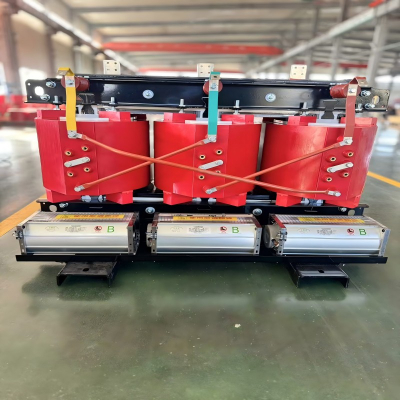
Depending on the application and local standards, the transformer may be oil-immersed or dry-type, and the layout may be arranged side by side or in a compartmentalized "box" configuration. Our box-type transformer and substation range covers these arrangements for different project needs.
Main Components and Design Considerations
- Medium-voltage section: switching and protection equipment that receives incoming supply and isolates the transformer when needed.
- Transformer section: steps voltage down to the utilization level. Choice of oil-immersed or dry-type depends on site conditions, fire-safety rules and loss targets.
- Low-voltage section: outgoing feeders, metering, protection and, where required, reactive power compensation.
- Enclosure: designed for ventilation, weather protection, corrosion resistance and safe access, with attention to temperature rise inside the housing.
Good design also addresses internal-arc safety, interlocking between sections, grounding, and clear labeling so operators can work safely.
Where Compact Substations Are Used
Because of their small footprint and quick installation, compact substations are common in many settings:
- Industrial parks and factories that need dedicated power distribution
- Commercial developments, data centers and campuses
- Residential communities and urban areas with limited space
- Renewable energy projects such as solar and wind farms
- Temporary or fast-track construction sites and infrastructure projects
Box-Type vs. Conventional Substations
| Factor | Box-Type (Compact) Substation | Conventional Substation |
|---|---|---|
| Construction | Factory-assembled and tested | Built and assembled on site |
| Footprint | Compact | Larger civil works required |
| Installation time | Generally shorter | Generally longer |
| Customization | Configured within standard layouts | Highly flexible |
| Relocation | Easier to move or expand | Fixed once built |
Key Benefits for Buyers
The main advantage is speed and predictability. Because the assembly and testing happen in a controlled factory environment, quality is easier to verify before shipment, and on-site work is reduced to civil preparation, placement and cable termination. Compact units also save land, which matters in dense urban or industrial sites, and they can be relocated or supplemented as demand grows. Clear documentation, factory test records and standardized layouts further simplify commissioning and future maintenance, helping project teams keep schedules on track while meeting safety and reliability expectations.
How to Choose the Right Unit
Start with the load profile: expected demand, future growth and the voltage levels on both sides. Next, confirm the applicable standards and certification requirements for your market, since these differ between regions. Consider the environment as well, including ambient temperature, humidity, altitude, dust and exposure to corrosive conditions. Finally, review protection schemes, metering needs and maintenance access. Matching the transformer type to the project is important, so see our guides to dry-type transformers and oil-immersed transformers when comparing options.
With more than 30 years of experience manufacturing transformers and switchgear, Jinan Qinghe Electric supports buyers worldwide with equipment selection and project-specific configuration.
Need a compact substation for your project? Share your capacity, voltage and site requirements and our engineers will recommend a suitable configuration. Contact us today for a consultation and quotation.